

There are so many different types of ropes to choose from. We focus on using 3 standard rope types:
Polyester rope
PPM Rope
Paracord Rope
So what exactly is the difference?
Let's dive deeper into the composition of each rope...
Polyester
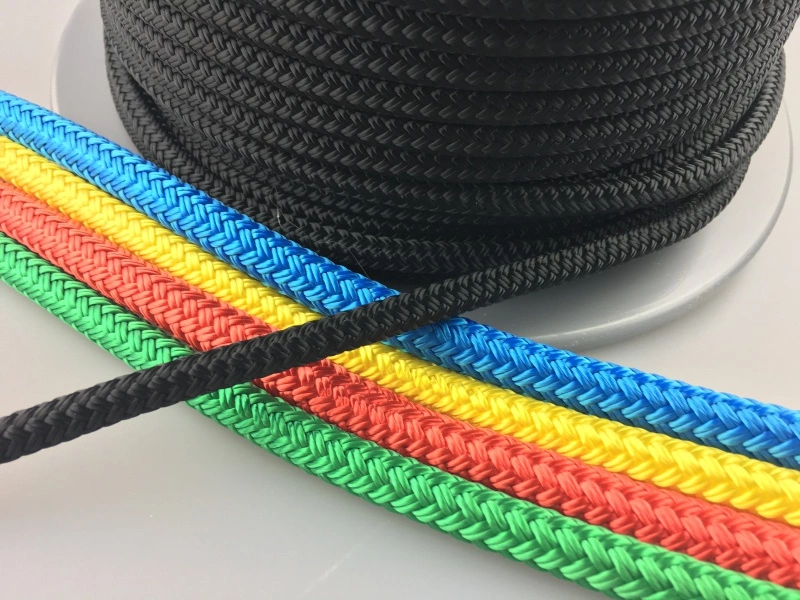
Polyester rope is a popular type of synthetic rope that
is known for its strength, durability, and resistance to abrasion, UV rays, and
chemicals. It is often used in various applications such as boating, camping,
towing, and landscaping. Polyester rope is lightweight, easy to handle, and
does not stretch much under load, making it a reliable choice for many outdoor
activities.
Some key characteristics of polyester rope include:
1. Strength: Polyester rope has a high tensile strength,
making it suitable for heavy-duty applications.
2. Durability: It is resistant to abrasion and moisture,
making it ideal for outdoor use.
3. UV Resistance: Polyester rope is also UV resistant,
which helps it maintain its strength and integrity when exposed to sunlight.
4. Chemical Resistance: It is resistant to many
chemicals, making it suitable for use in various environments.
5. Low Stretch: Polyester rope has low stretch
characteristics, which means it maintains its length and shape under load.
6. Easy to Handle: The lightweight nature of polyester
rope makes it easy to handle and knot.
Overall, polyester rope is a versatile and reliable
option for many different tasks and environments. It is important to choose the
right diameter and weight capacity based on your specific needs and
requirements.
PPM Rope
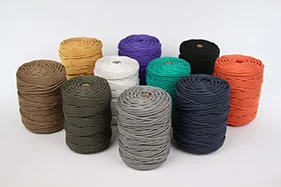
PPM (polypropylene multifilament) rope is a type of synthetic rope known for its strength, durability, and versatility. Here are some key points about PPM rope:
1. Material: PPM rope is made from polypropylene, a
lightweight, strong, and resistant thermoplastic polymer. It is known for its
excellent resistance to water, UV radiation, chemicals, and abrasion.
2. Strength and Durability: PPM rope exhibits high
tensile strength and is resistant to stretching, making it suitable for a wide
range of applications, including marine use, outdoor activities, and industrial
purposes.
3. Versatility: PPM rope is valued for its versatility
and can be used in various settings such as boating, fishing, camping, and
general-purpose utility. It is often used for mooring lines, towing lines, and
general purpose tie-downs.
4. Buoyancy: One of the notable properties of PPM rope is
its natural buoyancy, making it ideal for water-based activities and marine
applications.
5. Lightweight: Despite its strength and durability, PPM
rope is lightweight, which makes it easy to handle and transport.
6. Resistance to Elements: PPM rope is resistant to rot, mold, and mildew, making it suitable for outdoor and marine environments..
In summary, PPM rope is a popular choice due to its
strength, durability, resistance to elements, and versatility, making it
well-suited for a wide range of applications in both outdoor and industrial
settings.
Paracord
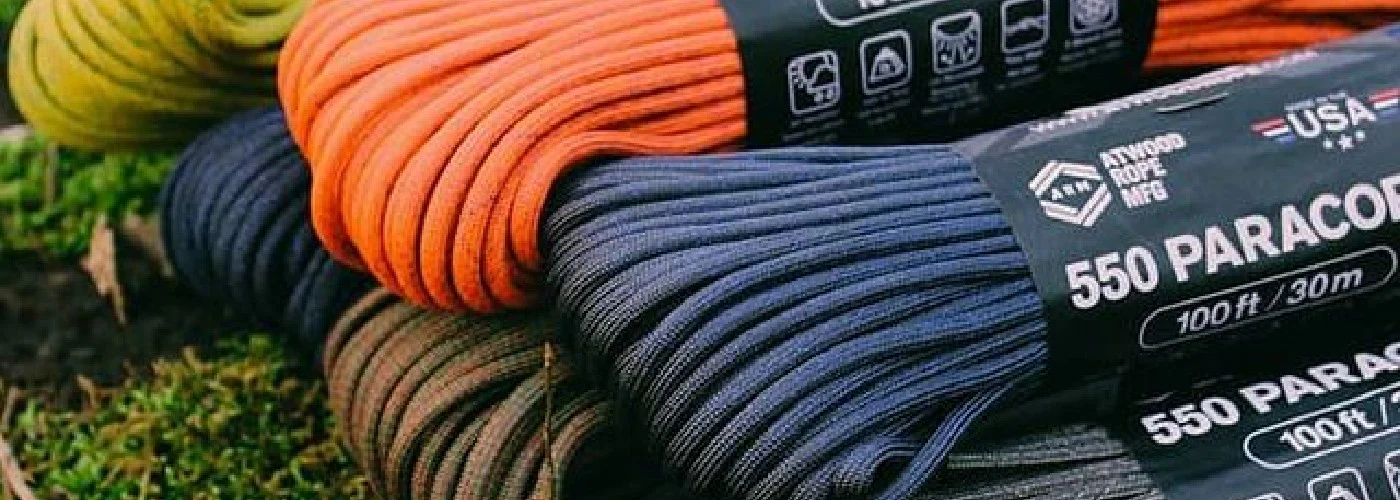
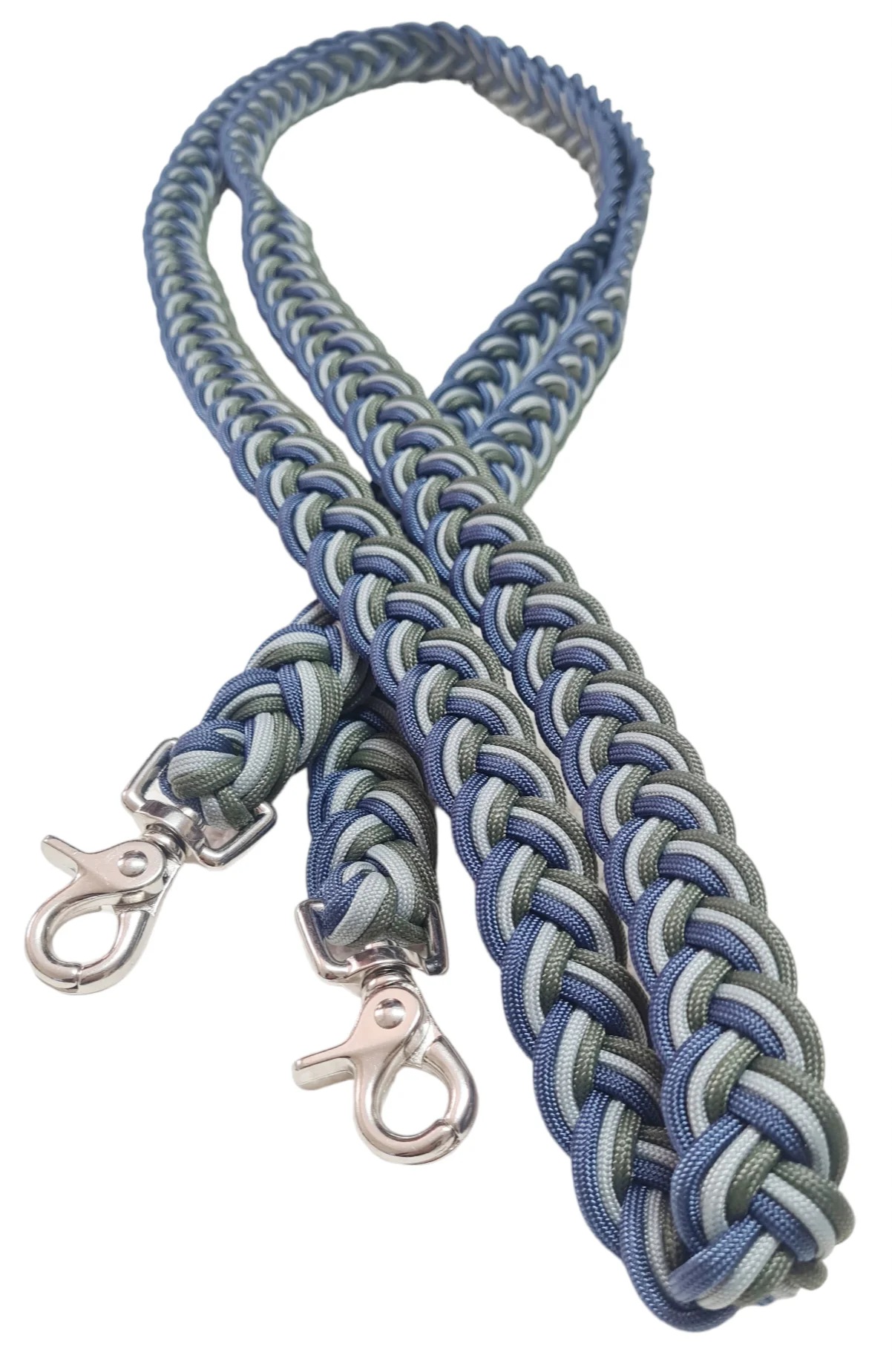
Paracord, also known as parachute cord or 550 cord, is a
lightweight nylon rope originally used in the suspension lines of parachutes.
It has since gained popularity for its versatility and has become a staple in
outdoor, survival, and crafting communities. Here are some key points about
paracord:
1. Strength: Despite its lightweight nature, paracord is
incredibly strong and has a high tensile strength. The "550" in its
name refers to the minimum breaking strength of 550 pounds.
2. Versatility: Paracord is incredibly versatile and can
be used for a wide range of purposes, including camping, hiking, emergency
survival, crafting, and more.
3. Inner Strands: A typical 550 paracord consists of a
woven outer sheath and inner strands. When needed, the inner strands can be
removed and used separately for tasks that require thinner cordage.
4. Lightweight and Compact: Paracord is lightweight and
takes up very little space, making it easy to carry in outdoor and emergency
kits.
5. Durable: Paracord is resistant to mildew, UV rays, and
abrasion, making it suitable for outdoor and harsh environments.
6. Various Colors and Patterns: Paracord is available in
a wide array of colors and patterns, allowing for creative and decorative
applications in crafts and DIY projects.
7. Knots and Weaves: Paracord can be woven and knotted
into various designs, such as bracelets, keychains, and lanyards, making it a
popular material for crafting.
In conclusion, paracord is admired for its strength,
versatility, and compactness, making it an invaluable tool for outdoor
enthusiasts, survivalists, and crafters alike.
What types do we use on our products?
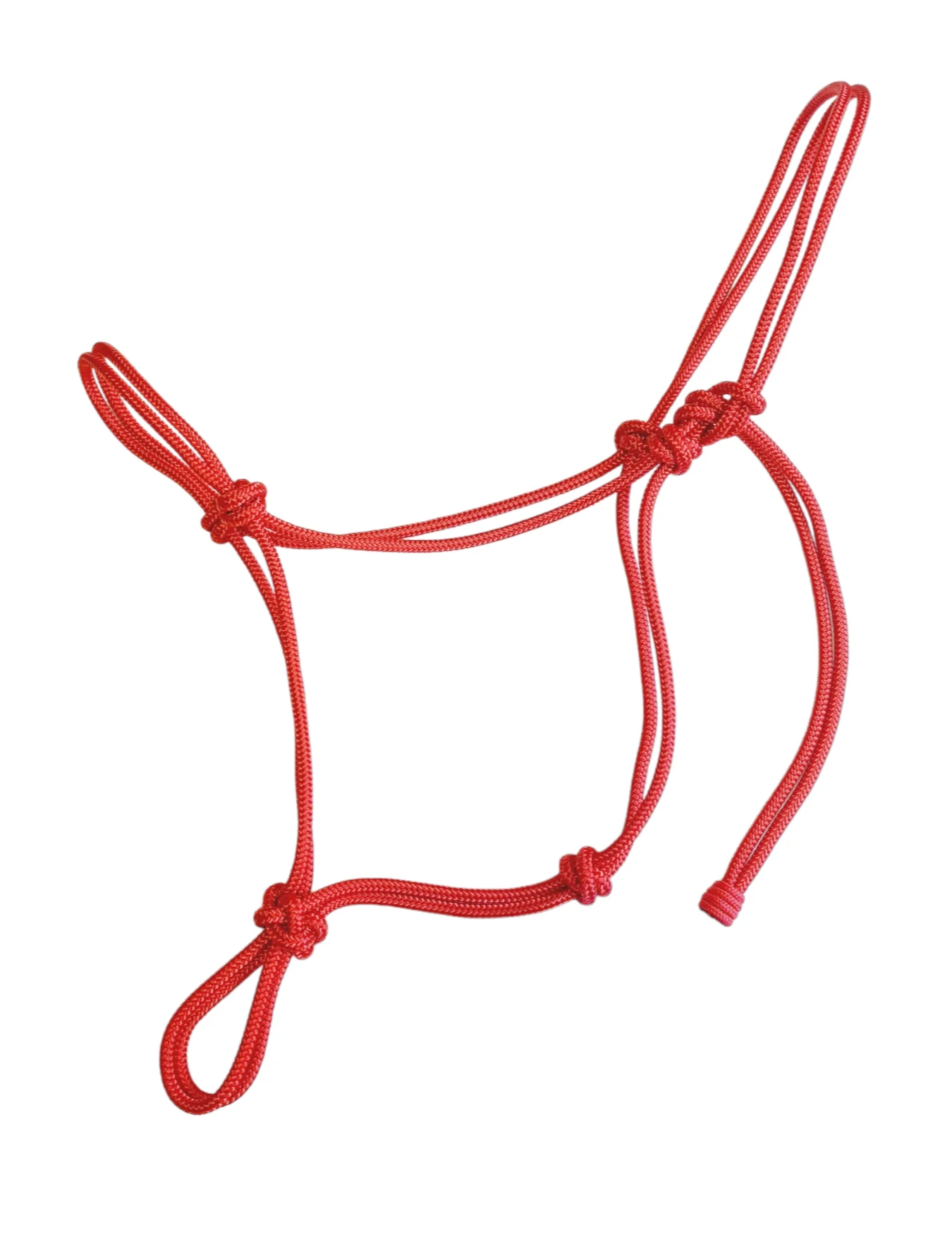
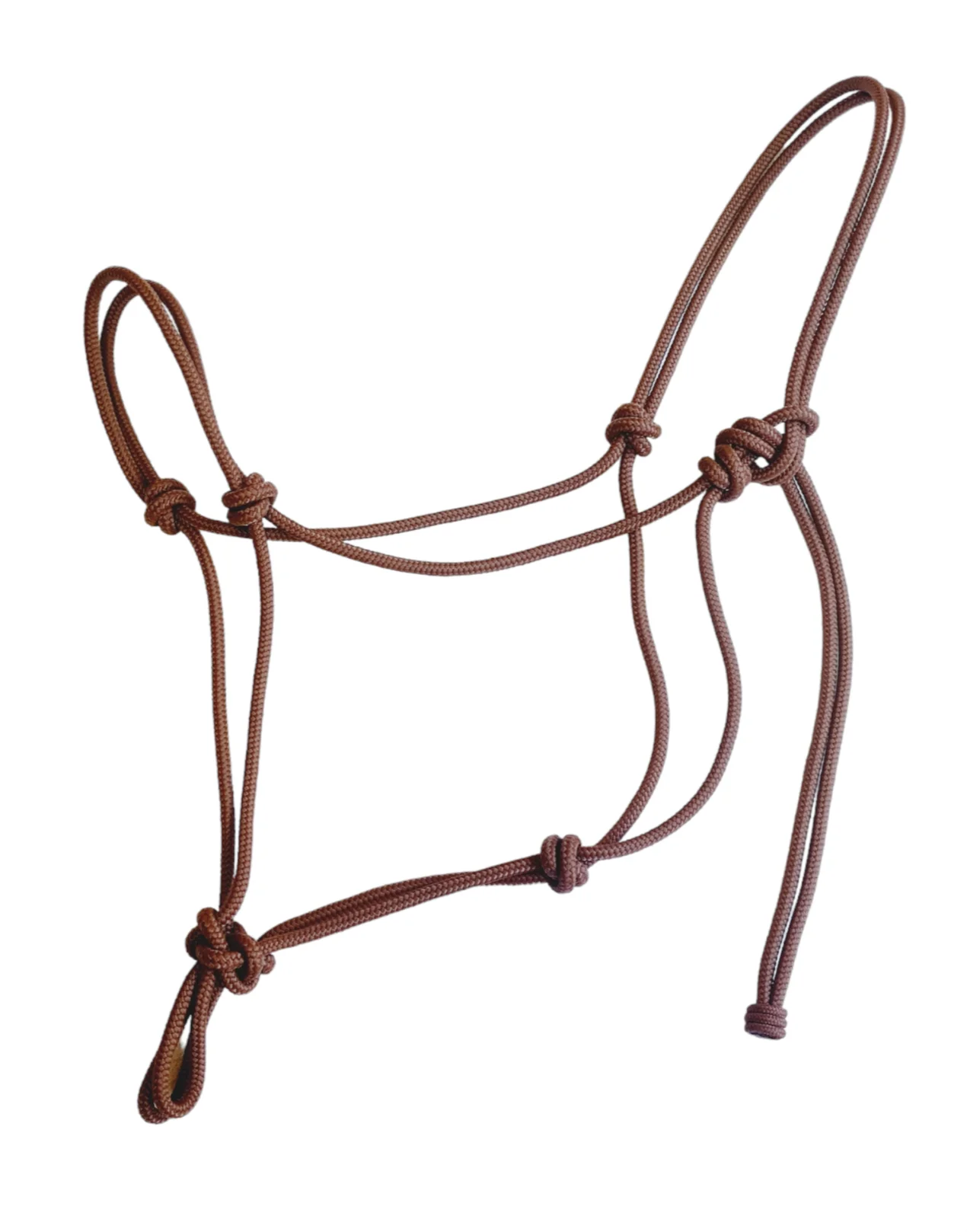
When making our single rope halters and leads, we use either polyester or the PPM, depending on the availability of stock from our suppliers. The paracord rope is only used in the braided halters and braiding parts of the halter like the noseband or browband, since the paracord rope is only 4mm in diameter and to thin to fold into a halter.
On most of our reins, except for the 14mm rope reins, we offer the option of either paracord or polyester/ppm. It’s personal preference.
In summary, all our 6mm or bigger diameters, is made from the polyester of ppm rope. All braided item have an option of either paracord or polyester/ppm.
So how do I choose the right rope for my item?
In short, Polyester, PPM
and Paracord are all equal in strength. The difference will be in the
feel of the rope and the price. Polyester and PPM is a lot cheaper per
meter than Paracord. Paracord is twice the price per meter.
Paracord has a softer feel than polyester.
Being a Western Mounted
Games rider myself, I have tested all 3 during riding and can honestly say that
all 3 of them offer the same 'grip' when it comes to for example, the reins. It comes down to personal preference in the end.