

Using leather or rope for horse equipment each has its
own set of pros and cons. Here are some points to consider for both:
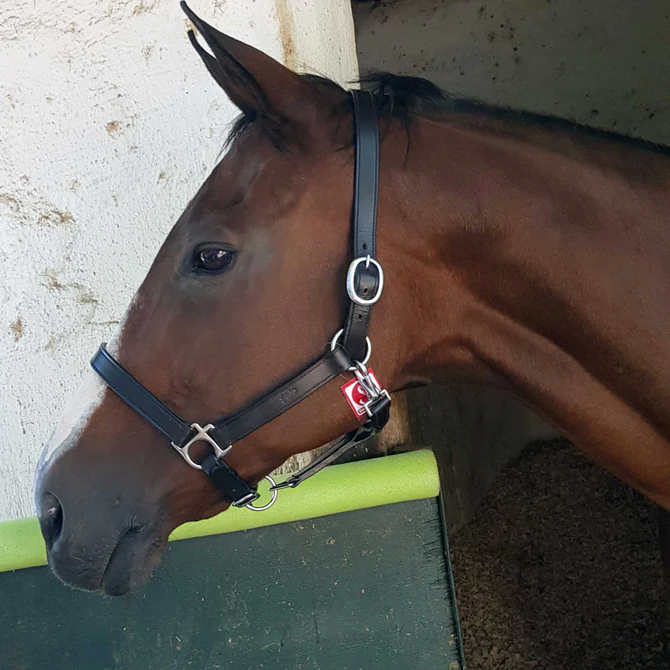
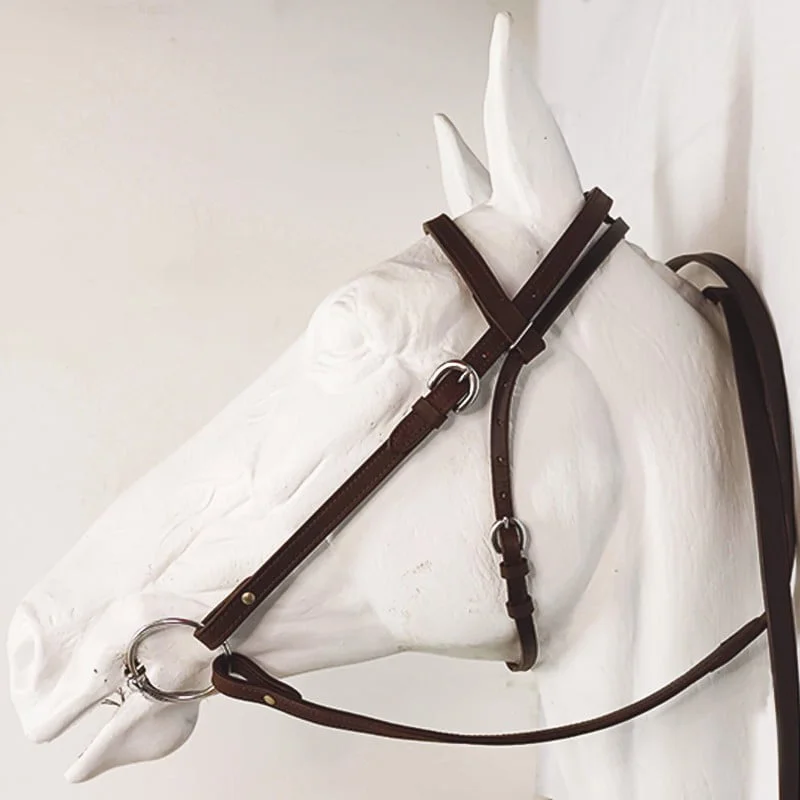
LEATHER:
PROS:
1. **Durability:** Leather is known for its strength and
durability, making it a popular choice for horse equipment such as bridles,
saddles, and reins.
2. **Quality Appearance:** Leather equipment often has a
classic and elegant look, which is favored by many riders for shows and
competitions.
3. **Comfort:** Leather is soft and comfortable for the
horse, as it molds to their body over time and reduces the risk of chafing or
rubbing.
4. **Longevity:** With proper care and maintenance,
leather equipment can last for many years, making it a good long-term
investment.
CONS:
1. **Cost:** Leather equipment tends to be more expensive
than rope or synthetic alternatives, which can be a deterrent for
budget-conscious horse owners.
2. **Maintenance:** Leather requires regular cleaning,
conditioning, and care to keep it in good condition. Neglecting maintenance can
lead to cracking, drying out, or deterioration.
3. **Weight:**
Leather equipment can be heavier than rope or synthetic
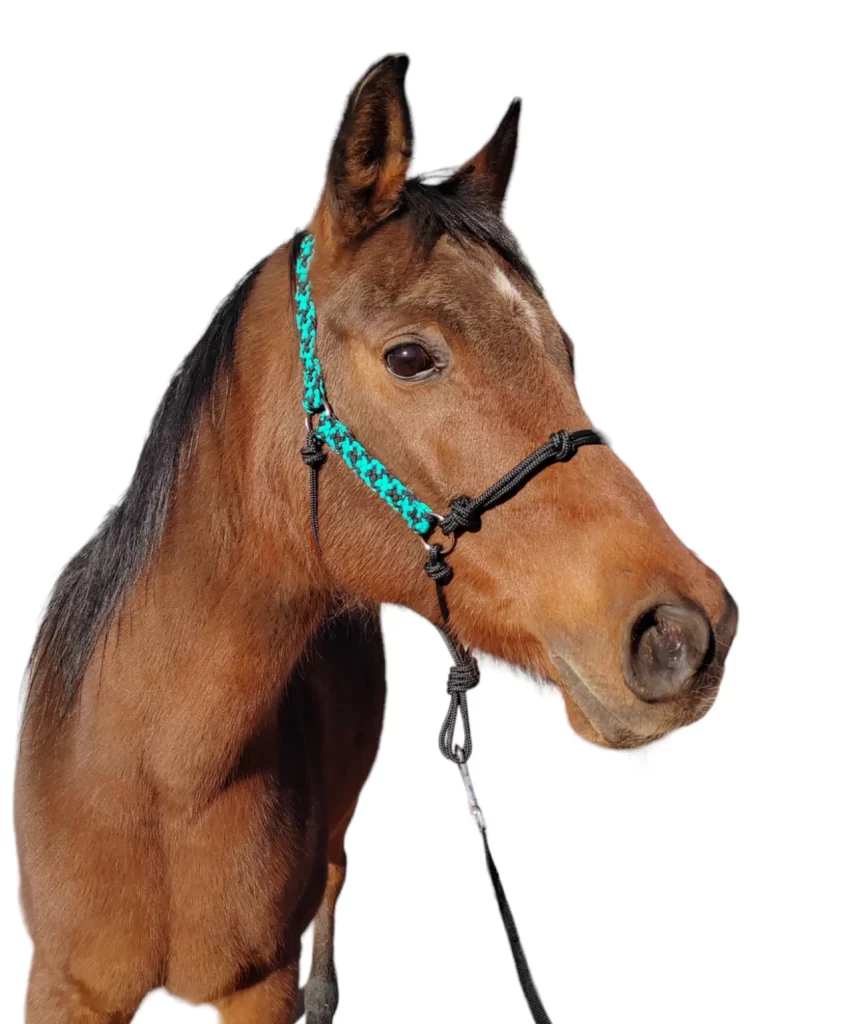
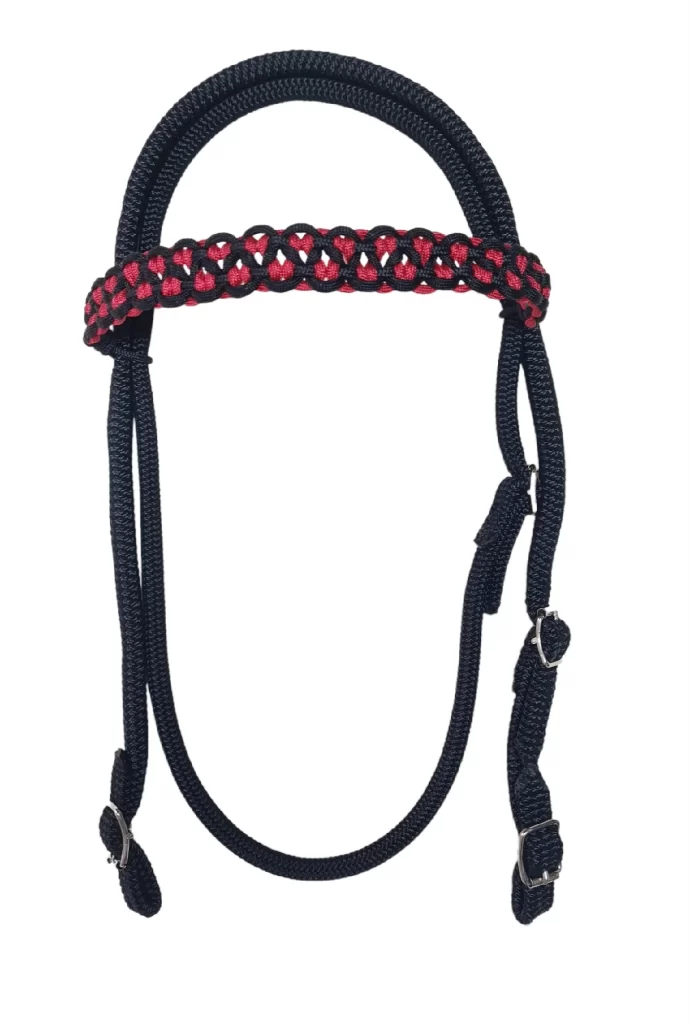
ROPE:
PROS:
1. **Lightweight:** Rope equipment is typically
lightweight, which can be beneficial for horses that are sensitive to heavy
tack.
2. **Affordability:** Rope equipment is often more
affordable than leather, making it a cost-effective option for those on a
budget.
3. **Variety:** Rope comes in various colors and styles,
allowing for customization and personalization of horse equipment.
4. **Easy to Clean:** Rope is usually easier to clean
than leather and can be washed or hosed down for maintenance.
CONS:
1. **Durability:** While some rope materials are strong
and durable, they may not be as long-lasting or hard-wearing as leather in
certain applications.
2. **Appearance:** Rope equipment may not have the same
polished or traditional appearance as leather, which may be a factor in certain
disciplines or competitions.
3. **Comfort:** Some horses may be more sensitive to the
texture of rope compared to leather, particularly in areas where there is
direct contact with the skin.
When choosing between leather and rope for horse
equipment, it's important to consider the specific needs of your horse, your
budget, and the intended use of the equipment. Ultimately, both materials have
their advantages and disadvantages, so selecting the right option will depend
on your individual preferences and requirements.
WHY NOT USE BOTH?
Using a combination of leather and rope for horse
equipment can offer a variety of advantages, as each material brings unique
characteristics to the table. Here are some benefits of utilizing both leather
and rope in your horse gear:
1. Versatility:** By incorporating both leather and rope
elements in your equipment, you can enjoy the best of both worlds. Leather
provides durability, classic appeal, and comfort, while rope offers lightweight
options, easy maintenance, and customization possibilities.
2. Customization:** Combining leather and rope allows for
customization and personalization of your horse equipment. You can mix and
match different materials and styles to create a unique look that suits your
preferences and style.
3. Weight Distribution:** Using rope for certain parts of
the tack, such as reins or lead ropes, can help reduce overall weight and
provide a lighter feel for both the rider and the horse. This can be
particularly beneficial for long rides or sensitive horses.
4. Cost-Effectiveness:** Incorporating rope components
with leather can help balance out costs, as rope is generally more affordable
than leather. This can be a budget-friendly option without compromising on
quality or durability.
5. Functional Design:** By combining leather and rope,
you can take advantage of the functional benefits of each material. For
example, leather can provide stability and structure in areas that require
rigidity, while rope can offer flexibility and adjustability in other parts of
the tack.
6. Aesthetics:** Mixing leather and rope can create a
visually appealing and dynamic look for your horse equipment. The contrast
between the textures and colors of the two materials can add interest and style
to your overall tack ensemble.
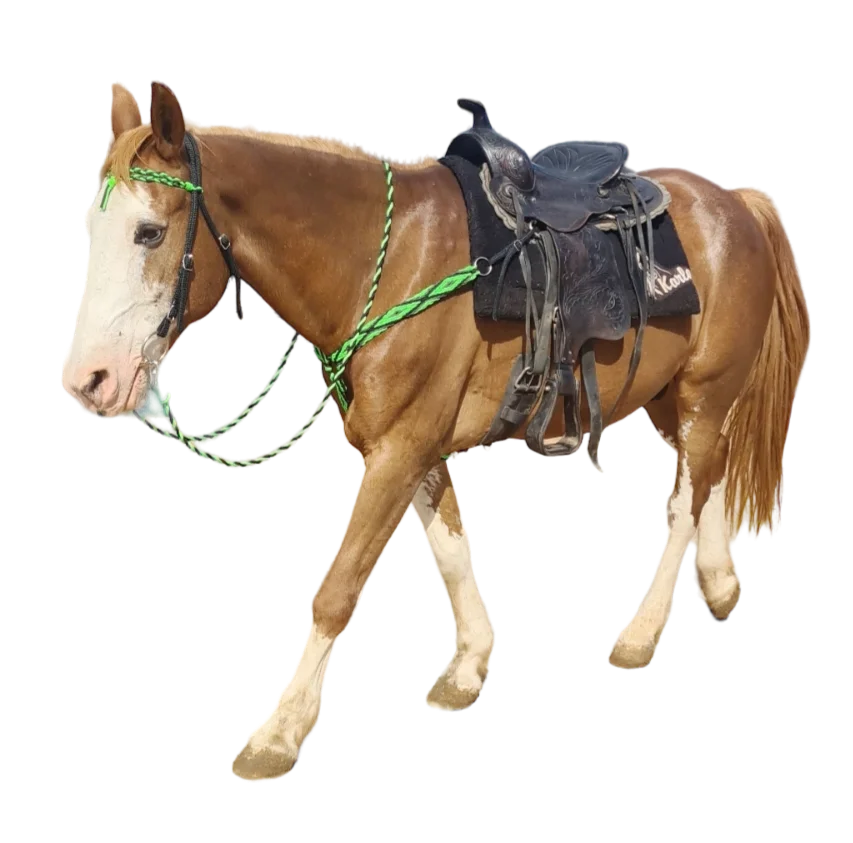
Incorporating both leather and rope in your horse gear
allows you to leverage the strengths of each material while addressing
potential weaknesses. It enables you to create a well-rounded and versatile set
of equipment that meets your functional needs, aesthetic preferences, and
budget constraints.