
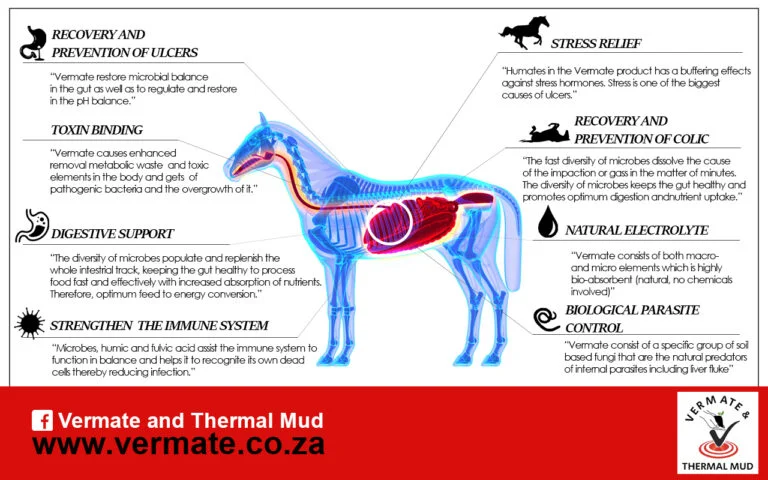
Vermate is not specie specific, it’s an “all in one” product that
is administered on a maintenance basis at a fairly low cost.
What
are the most outstanding results achieved when giving Vermate?
·
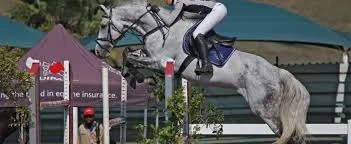
Improved performance in sport horses as
well as racing pigeons.
·
Condition and health problems related
to stress and parasite infections are addressed in all animals.
·
Behavioral and hormonal problems are
eliminated that are related to an undesirable microbiota.
·
Biological approach to prevention and
lowering of parasite infestations.
·
The humate component facilitates the
reduction of stress-related problems.
·
Treating diarrhea in adult and juvenile
animals.
·
Fertility issues in stud animals are
addressed.
·
Assist in the prevention and treatment
of ulcers in the digestive tract of sport horses.
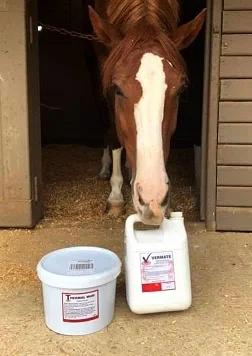
Vermate was formulated with a proactive approach toward animal health in mind. “Healthy animals don’t get sick” and “prevention is better than cure”. Why does this principle apply to animals in their natural environment where there is no interference from humans? This aspect is the inspiration behind the formulation of Vermate. One of the key principles observed in nature is that most animals in their natural environment walk into a dam or river and stir up the silt into the water, and manure in it before they drink. They prefer to drink “dirty” water in order to maintain their health through soil microbes and soluble humus or humates. These elements occur as the silt gets stirred up. The success of Vermate lies foremost in the enormous diversity of microbial species found in the natural environment, especially in the water resources. This is the main reason why Vermate is for all animals as they are all exposed to the same diversity of microorganisms in nature.
Vermate consists of a unique combination of soil bacteria, fungi, archaea,
yeasts, protozoa, and viruses species that animals would normally ingest when
they are exposed to their natural environment.
Due to human interference with the animal’s natural habitat and
behavior, exposure to healthy soil microbes becomes inhibited. A lower
diversity leads to a weakened system and a compromised animal that is
susceptible to diseases and illnesses. Vermate restores the animal’s link with
healthy soil microbes which “put the animal back in its natural state”, so to
speak.
The power of microbial diversity in Vermate is further strengthened with
Humates, which are humic and fulvic macromolecules. Humic and fulvic
macromolecules are derived from humus in healthy soil. Humates are formed when
microbes reach the end of their life cycle and die off. Humates, therefore,
resemble the mineralized end product of decomposed microbes and organic material.
In health terms, humates can be described as the organic version of antibiotics
without the destructive effect. It, therefore, builds up the immune system to
prevent illnesses. It also helps the body to heal itself and function
constantly at optimum health levels.
Ulcers and colic
Most commercial probiotics consist of
lactic acid bacteria to stabilize the horse’s gut pH. Most of these bacteria
get destroyed by the acid in the stomach. They don’t even make it to the
intestines, rendering them ineffective in preventing or treating ulcers and
colic in the equine. The diversity of microbial species in the gut is
innumerable, to keep the digestive tract healthy and functioning at optimum
levels, this diversity needs to be replenished daily.
This whole spectrum of microbial
diversity is present in Vermate. Most of them are in a sporulated form
that is able to withstand digestion in the stomach and small intestines. In
sporulated form, microbes are able to pass through to the caecum and large
intestines, enabling fermentation in the caecum and digestion in the large
intestines. Inflammation and ulceration are also prevented.
The Humate component in Vermate assists
in optimum pH levels and an optimal functioning digestive system, allowing the
risk for ulcers and colic to be reduced drastically.
The importance of the
Microbiota in the horse - colic risk factors:
Why is gut health so important?
There are trillions of
microbes in the gastrointestinal system. Here diversity is crucial, the
more diverse the microbial population, the healthier the system.
Horses
have an incredibly complex digestive tract and rely mainly on the caecum and
large intestine to digest plant material. The gut microbes do this job, among
other functions.
Gut bugs
affect everything: they are life…. Providing calories and nutrients, but also
health, a strong immune system, and behavior.
Some of the groups of
microbes that are present in the digestive tract: Bacteria, fungi, archaea,
yeasts, protozoa, and viruses – the total community is called intestine
microbiota.
In short, the gut bugs are
responsible for:
·
Breaking down
food
·
They make
vitamins
·
They make chemicals
that affect the gut tissue activity
·
Make chemicals
that affect the brain activity and ability to learn.
·
Stimulate and
influence the immune system
·
Promotion of fat
storage
·
Impact on nerve
growth – producing and stimulating chemicals that have an impact on nerves
·
Impact on bone
density and hoof quality
·
Have an impact on
pain perception
·
They produce
hormones that affect the behavior of the horse.
Where do these gut microbes come from and how are they replenished?
·
A fetus gets the initial
population from the mother
·
At birth, the most crucial
load of microbes is received when passing through the mother’s virgina.
·
The initial colostrum and
milk produced by the mare
·
From grazing and natural
water resources.
·
Microbes are also
transferred from one horse to another when grooming one another and by social
interaction.
·
From various food sources.
·
Form the soil and contact
with various environmental factors.
Factors that upset the microbiota and can cause colic, among many
other health and behavior issues:
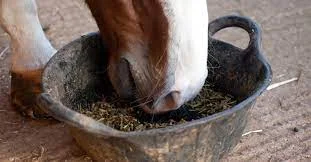
Food:
A high fiber,
low sugar, low starch diet is crucial.
Studies
have shown, by giving a high starch diet, for instance, can cause the balance
in the microbiota to be undesirable and can cause behavior problems.
Giving
an incorrect diet can greatly increase the risk of colic.
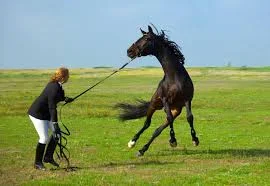
Stress:
release of stress hormones
such as Cortisol, to name one – persistent production of cortisol causes the
tight junction in the gut lining to erode, gut bugs that need to be in the gut
where they belong, get in between the cells of the gut lining and cause an
inflammatory reaction. This is then replicated throughout the body as an
inflammatory response, activating stress, even more, causing all sorts of
health issues.
Stress factors:
pain, ill health, fear, being unable to assess and respond to potential
threats, social isolation/lack of positive social bonds, frustrations caused by
barriers, transportation, and environmental changes.
Gut motility:
Horses are designed to move a hoof every 3 to 20 seconds when not in a resting
state. The amount a horse is allowed to move naturally has a direct
impact on the gut motility and health of the gut microbes. This also has
a huge impact on the blood flow to the gut and the availability of oxygen and
nutrients to the gut microbes. Horses need to move pretty much all the time.
Horse
owners keeping horses in a stable yard might not be able to change much of the
above factors that cause undesirable gut microbe population and
diversity.
But here are some of the
benefits received when giving Vermate to your domesticated horse:
Why Vermate is so effective in ensuring gut health:
·
Vermate consists of all
the microbial groups necessary for the whole intestinal tract to function at
optimal levels. Bacteria, fungi, archaea, yeasts, protozoa, viruses, etc. in
their natural diverse balance make up the Microbiota.
·
The humates in Vermate
help to suppress the production of cortisol, allowing the horse to cope better
with circumstances that cause stress.
·
Humates help to reduce the
inflammatory response and heal inflammation in the body.
·
The diverse microbial
population in Vermate replenish the whole intestinal tract on a daily basis,
making up for the fact that the horse is not exposed to naturally diverse
resources.
·
Vermate help to reduce the
above-mentioned stress factors:
·
help to reduce pain due to
faster healing and influence on pain perception.
·
Increase immune function
and strengthen the immune system due to a healthy, diverse microbial
population. For example, some microbes are responsible for “switching” the
production of white blood cells in bone marrow on or off.
·
Some stress factors can’t
be eliminated completely from the stabled horse, but the Humates do help the
horse cope with the stress much better.
· Vermate can’t increase the gut motility caused by restricted movement of the stabled horse, but by ensuring replenishment of diverse gut microbes daily, it reduces the negative impact caused by reduced motility on the health of the gut microbes.
Credit to Dr Amber
Batson for research done on the Microbiota of the equine.
Tenseness, Concentration
problems and Anxiety:
There are
several causes of stress-related problems in the equine. The most recent
research concludes that the health and diversity of organisms in the microbiota
is the main cause of behavioral problems. There are groups of organisms that
regulate and balance hormones, and other groups that heal and maintain
neurological pathways which all start in the gut. If these groups of organisms
are not present or diverse enough, all sorts of behavioral and neurological
issues are caused. Such as anxiety, lack of concentration and ability to learn,
tenseness, repetitive behavioral patterns, head shaking, and hormonal mares, to
name but a few.
Vermate
consists of all the necessary groups of organisms to regulate and balance
hormones and maintain a healthy neurological system and brain function
The humate component in Vermate has the ability to support the adrenal glands
and suppress cortisol and adrenalin production during stressful situations.
For more information and testimonials, please visit their facebook page at: